

Sweet Corn
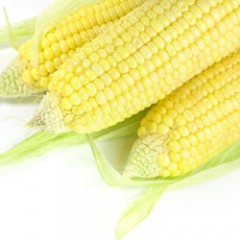 Sweet corn is popular with consumers and growers alike. New York typically ranks in the top 5 producing states with nearly 25,000 acres of fresh market and 10,000 acres of processed product grown annually.
 A range of varieties are available to cover the growing season and needs of each market. Fresh market corn may be planted in March under plastic or later on bare ground. Planting of processing sweet corn in New York begins around May 1st with varieties selected to maintain a steady supply into mid-September.
Cornell Cooperative Extension Educators and Cornell faculty work together annually to conduct research on many aspects of sweet corn production in the state. Below you will find educational information and results of our research trials.
Relevant Event
Champlain Valley Orchard Storage Meeting
August 26, 2026
Chazy, NY
2026 Post Emergent Sweet Corn Herbicides
Chuck Bornt, Team Leader, Extension Vegetable Specialist
Eastern New York Commercial Horticulture
Transplants Heat Necrosis
Teresa Rusinek, Vegetable Specialist
Eastern New York Commercial Horticulture
Post Emergent Sweet Corn Herbicide Table and Comments
Chuck Bornt, Team Leader, Extension Vegetable Specialist
Eastern New York Commercial Horticulture
Tar Spot in Sweet Corn: Be Alert!!
Ethan Grundberg, Vegetable Specialist
Eastern New York Commercial Horticulture
There is a new disease on the block for sweet corn in New York! Tar spot is a fungal disease found first in Indiana and northern Illinois field corn in 2015. It has since spread throughout the Midwest. The disease was found in western NY corn fields every year for the past 3 years, and in central NY last year. Tar spot has potential to severely reduce yields of susceptible corn varieties, so we are closely monitoring disease spread and impact.
2024 Sweet Corn Post Emergent Herbicides
Chuck Bornt, Team Leader, Extension Vegetable Specialist
Eastern New York Commercial Horticulture
Post Emergent Sweet Corn Herbicides
Chuck Bornt, Team Leader, Extension Vegetable Specialist
Eastern New York Commercial Horticulture
True Armyworms Invading Sweet Corn!
Chuck Bornt, Team Leader, Extension Vegetable Specialist
Eastern New York Commercial Horticulture
For the last couple of years, we have seen True Armyworms showing up in late May early June and causing some significant damage in sweet corn and other crops. In the last two weeks we have caught low levels of adult True Armyworm moths in our sweet corn worm traps and are now starting to see the damage in sweet corn.
Watch Those Temperatures
Chuck Bornt, Team Leader, Extension Vegetable Specialist
Eastern New York Commercial Horticulture

Chuck Bornt Even though we haven't reached super warm temperatures yet, temperatures in high tunnels, crops under rowcovers or especially those under clear plastic hoops (such as sweet corn) can get very hot on these gorgeous bright sunny days!
Dry Fertilizer Unit Calibration
Chuck Bornt, Team Leader, Extension Vegetable Specialist
Eastern New York Commercial Horticulture
The first sweet corn was planted under plastic and some under rowcovers last week which is a sure sign of spring right? If you didn't get it done over the winter, now is the time to finish getting equipment prepared for planting season - especially calibrating your dry fertilizer units. Over time, the augers, fertilizer disk openers and other parts can get worn out, changing the amount of fertilizer actually coming out.
2018 Eastern New York Fruit & Vegetable Conference Vegetable Presentations

Presentations from the 2018 ENYCHP Eastern New York Fruit & Vegetable Conference held February 20th and 21st for the vegetable sections.
2016 ENY Sweet Corn Trap Summary Presentation
Anne Mills, Field Technician
Eastern New York Commercial Horticulture

This presentation shows a summary of 2016 peak flight times for common sweet corn pests that we monitor in eastern New York. Knowing when insects might be a peak flight is crucial to effective scouting and pesticide applications. For more pest monitoring information, please enroll in our program and be sure to read the weekly newsletters sent out during the field season.
Responding to Hailstorms
Crystal Stewart-Courtens, Extension Vegetable Specialist
Eastern New York Commercial Horticulture

While no one wants to think about the possibility of hail hitting their beautiful crops just as they start to respond to the heat and take off, the likelihood that we will see more hail seems pretty high. So let's talk about it.
O-zone Injury on Vegetables
Crystal Stewart-Courtens, Extension Vegetable Specialist
Eastern New York Commercial Horticulture

Hot, humid weather with stagnant air masses may lead to ozone damage on crops. Ozone warnings were recently issued for much of New York. These warnings are intended for people with respiratory problems and let them know they should limit their outdoor activity and try to stay as much as possible in air-conditioned locations. These warning are also a good indicator that ozone damage may occur in plants.
Wild Proso Millet
Julie Kikkert, Team Leader, Extension Vegetable Specialist
Cornell Vegetable Program

Wild proso millet is present in NY and can be a problem weed in sweet corn and other vegetable crops. Learn how to identify this weed on your farm.


Apples

Apricots

Asparagus

Beets

Blueberries

Broccoli

Brussels Sprouts

Cabbage

Carrots

Cauliflower

Cherries

Cucumbers

Dry Beans

Eggplant

Ethnic Vegetables

Garlic

Grapes

Horseradish

Kohlrabi

Leeks

Lettuce / Leafy Greens

Melons

Nectarines

Onions

Parsnips

Peaches

Pears

Peas

Peppers

Plums

Potatoes

Pumpkins / Gourds

Radishes

Raspberries / Blackberries

Rhubarb

Rutabaga

Snap Beans

Squash - Summer

Squash- Winter

Strawberries

Sweet Corn

Sweet Potatoes

Tomatoes

Turnips

Upcoming Events
Champlain Valley Orchard Storage Meeting
August 26, 2026
Chazy, NY
Join various experts from Cornell and Cooperative Extension at an orchard storage meeting for the Champlain Valley in Chazy from 1 to 4PM on August 26th. Free to attend, however we do ask that you register ahead so we know how many people to expect.