

Specialists

Chuck Bornt
Team Leader, Extension Vegetable Specialist
Areas of Interest: Reduced Tillage, Production Systems, Pest ID and Control
Crops: Cucumbers, Melons, Potatoes, Pumpkins / Gourds, Squash - Summer, Squash- Winter, Sweet Corn, Sweet Potatoes, Tomatoes

Elizabeth Higgins
Team Leader, Business Management Specialist
Areas of Interest: Business Management & Planning, Risk Management, Agricultural Economics

Mike Basedow
Tree Fruit Specialist
Areas of Interest: Cultural practices, training systems, beginning orchards, cider orchards
Crops: Apples, Cherries, Peaches, Pears, Plums

Dan Donahue
Tree Fruit Specialist
Areas of Interest: Horticulture, orchard management, post harvest technology
Crops: Apples, Apricots, Peaches, Pears, Plums

Ethan Grundberg
Vegetable Specialist
Areas of Interest: Organic Production Systems, Small Farm Equipment, IPM, Cover Crops
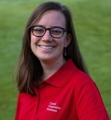
Elisabeth Hodgdon
Vegetable Specialist
Areas of Interest: Pest management, high tunnel production, season extension, organic agriculture

Heather Kase
Berry Specialist
Crops: Blueberries, Raspberries / Blackberries, Strawberries, Currants, Gooseberries, Unusual Fruit

Teresa Rusinek
Vegetable Specialist
Areas of Interest: Pest ID, Pest Control Recommendations, Biocontrols, Greenhouse Vegetables and Ornamentals
Crops: Squash - Summer, Squash- Winter, Sweet Corn, Tomatoes

Jeremy Schuster
Viticulture Specialist
Areas of Interest: Viticulture
Crops: Grapes
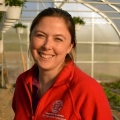
Crystal Stewart-Courtens
Extension Vegetable Specialist
Areas of Interest: Small and Beginning Farms, Organic Production Systems, Garlic

Maire Ullrich
Vegetable Specialist
Areas of Interest: Muck Soils, Onions, Ethnic Vegetables, Marketing, Labor Relations
Crops: Carrots, Ethnic Vegetables, Lettuce / Leafy Greens, Onions


Apples

Apricots

Asparagus

Beets

Blueberries

Broccoli

Brussels Sprouts

Cabbage

Carrots

Cauliflower

Cherries

Cucumbers

Dry Beans

Eggplant

Ethnic Vegetables

Garlic

Grapes

Horseradish

Kohlrabi

Leeks

Lettuce / Leafy Greens

Melons

Nectarines

Onions

Parsnips

Peaches

Pears

Peas

Peppers

Plums

Potatoes

Pumpkins / Gourds

Radishes

Raspberries / Blackberries

Rhubarb

Rutabaga

Snap Beans

Squash - Summer

Squash- Winter

Strawberries

Sweet Corn

Sweet Potatoes

Tomatoes

Turnips

Upcoming Events
Introduction to Small Fruit Workshop

September 21, 2026
Millbrook, NY
Join Cornell Cooperative Extension of Dutchess County for a presentation on small fruit establishment, production, and management with ENYCHP's Berry Specialist Heather Kase!