
Robert Hadad
Extension Vegetable SpecialistRochester, NY
cell 585-739-4065
fax 585-753-2560
email Robert
Areas of Interest
Food Safety, Fresh Market Vegetables, Marketing, Organic
 Crops
CropsAsparagus, Cucumbers, Ethnic Vegetables, Garlic, Horseradish, Lettuce / Leafy Greens, Melons, Parsnips, Pumpkins / Gourds, Radishes, Rutabaga, Squash - Summer, Squash- Winter, Sweet Corn, Turnips
Background
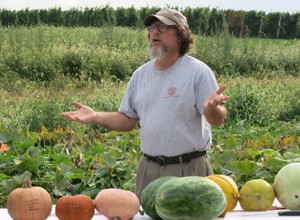
Before joining the Cornell Vegetable Program in 2005, Robert Hadad worked as an Extension Educator both through the North Carolina State University Cooperative Extension Service and the University of Kentucky Cooperative Extension Service, developing programs for growers exploring sustainable and organic agricultural production practices. The production and marketing of local foods has always been a passion for Robert through his previous Extension work and as a former owner and operator of a small vegetable and fruit farm in Rhode Island. Today, Robert is the team's food safety, organic, marketing, and fresh market specialist.


Apples

Apricots

Asparagus

Beets

Blueberries

Broccoli

Brussels Sprouts

Cabbage

Carrots

Cauliflower

Cherries

Cucumbers

Dry Beans

Eggplant

Ethnic Vegetables

Garlic

Grapes

Horseradish

Kohlrabi

Leeks

Lettuce / Leafy Greens

Melons

Nectarines

Onions

Parsnips

Peaches

Pears

Peas

Peppers

Plums

Potatoes

Pumpkins / Gourds

Radishes

Raspberries / Blackberries

Rhubarb

Rutabaga

Snap Beans

Squash - Summer

Squash- Winter

Strawberries

Sweet Corn

Sweet Potatoes

Tomatoes

Turnips