Cranberry and Cherry Fruit Worm
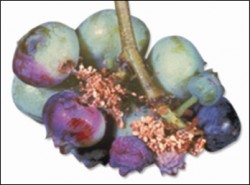
A number of growers have been calling with a question about blueberry clusters strung together with webbing or frass or both. Most people cannot find a larvae (although they are there!), but are alarmed with picker complaints. The pest in question is fruit worm either cranberry or cherry. Both insects have very similar life cycles and the damage is similar, but the chemical control materials differ slightly, so it will be important to be able to differentiate.
The adult moths lay their eggs in late May and early June at the base of the newly set fruit. Larvae of both
species attack green fruit. There are sex pheromones available for both pests and monitoring should begin in late April to optimize spray timing. Usually two sprays are necessary the first at petal fall and the second 10 days later. Organically approved materials include Entrust and Dipel DF. Other materials include Azasol, or Molt-X, Sevin, Malathion, Imidan, Esteem and Delegate, among others.
Check the Guidelines for more control information and visit this site for fact sheets about fruitworms: http://www.fruit.cornell.edu/berry/ipm/ipmpdfs/bbfruitworm.pdf


Apples

Apricots

Asparagus

Beets

Blueberries

Broccoli

Brussels Sprouts

Cabbage

Carrots

Cauliflower

Cherries

Cucumbers

Dry Beans

Eggplant

Ethnic Vegetables

Garlic

Grapes

Horseradish

Kohlrabi

Leeks

Lettuce / Leafy Greens

Melons

Nectarines

Onions

Parsnips

Peaches

Pears

Peas

Peppers

Plums

Potatoes

Pumpkins / Gourds

Radishes

Raspberries / Blackberries

Rhubarb

Rutabaga

Snap Beans

Squash - Summer

Squash- Winter

Strawberries

Sweet Corn

Sweet Potatoes

Tomatoes

Turnips