

What do biofungicides add to vegetable disease management? Part 1 - Introducing
Crystal Stewart-Courtens, Extension Vegetable Specialist
Eastern New York Commercial Horticulture
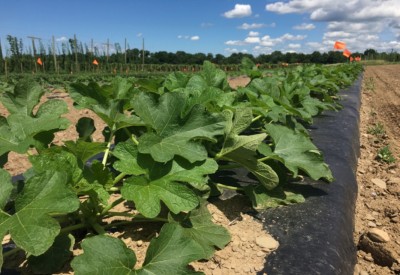
During the summer of 2018 Amara Dunn, the NYS IPM biological pest management specialist, worked with colleagues (Elizabeth Buck, Dr. Julie Kikkert, Dr. Margaret McGrath, Jud Reid, and Crystal Stewart) on a project funded by the New York Farm Viability Institute looking at the use of biofungicides (Remember what biofungicides are?) in vegetable disease management. Dr. Darcy Telenko (formerly of the Cornell Vegetable Program) helped plan the project before starting her new position at Purdue University, and Dr. Sarah Pethybridge provided valuable advice based on her extensive work with white mold (including control with biofungicides). BASF, Bayer, BioWorks, Certis, Dow, and Marrone BioInnovations provided product for the field trials.
See link below for full article.
Biofungicides Part 1 (pdf; 2119KB)


Apples

Apricots

Asparagus

Beets

Blueberries

Broccoli

Brussels Sprouts

Cabbage

Carrots

Cauliflower

Cherries

Cucumbers

Dry Beans

Eggplant

Ethnic Vegetables

Garlic

Grapes

Horseradish

Kohlrabi

Leeks

Lettuce / Leafy Greens

Melons

Nectarines

Onions

Parsnips

Peaches

Pears

Peas

Peppers

Plums

Potatoes

Pumpkins / Gourds

Radishes

Raspberries / Blackberries

Rhubarb

Rutabaga

Snap Beans

Squash - Summer

Squash- Winter

Strawberries

Sweet Corn

Sweet Potatoes

Tomatoes

Turnips

Upcoming Events
Capital Region Orchard Twilight Meeting

August 11, 2026
Rexford, NY
Join the ENYCHP and Cornell scientists on August 11 for the Capital Region Orchard Twilight meeting in Saratoga! We will be touring Bowman Orchards and reviewing seasonal recommendations for pests and diseases for apples, plums, and berries, as well discussing crop insurance.
NYSDEC Pesticide Applicator Recertification Credits: 1.25 in categories 22, 1A, & 10. Refreshments will be provided.
Free to attend, however we do ask that you register ahead so we know how many people to expect.
Champlain Valley Orchard Storage Meeting
August 26, 2026
Chazy, NY
Join various experts from Cornell and Cooperative Extension at an orchard storage meeting for the Champlain Valley in Chazy from 1 to 4PM on August 26th. Free to attend, however we do ask that you register ahead so we know how many people to expect.